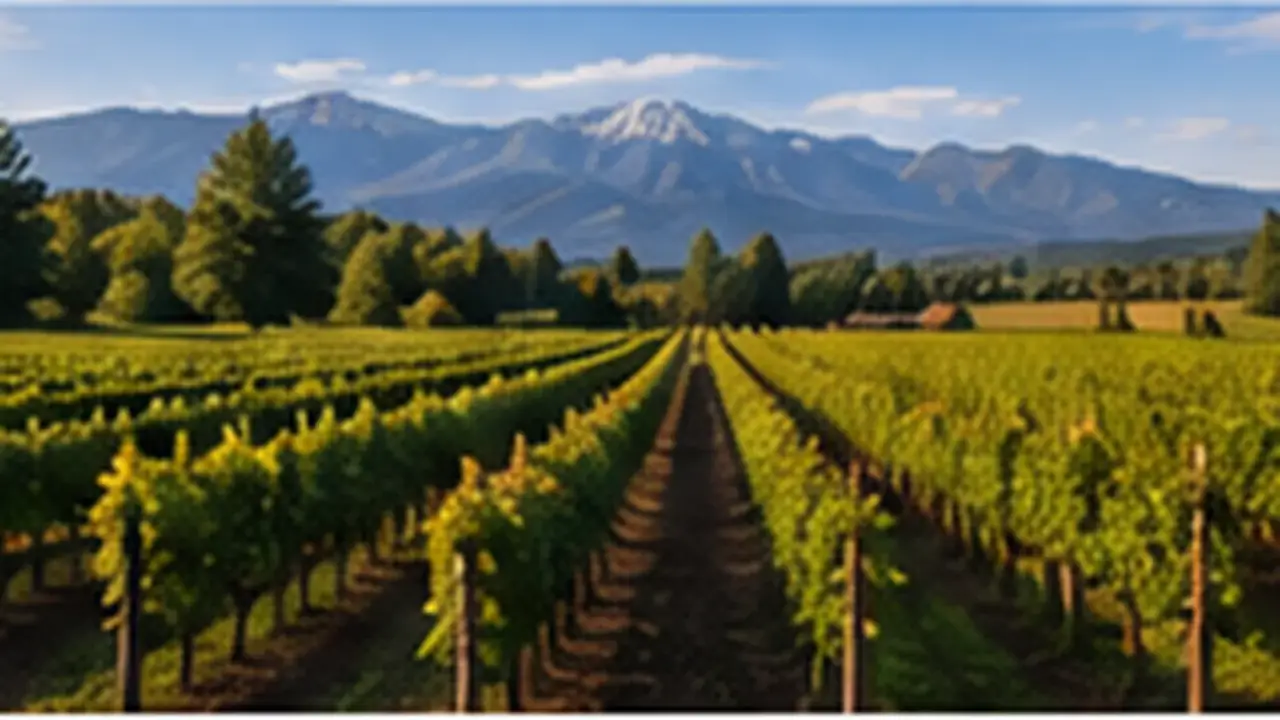
Choose two or three stops
Prioritize places that fit the same general area.
Confirm current access
Check hours, reservations and seasonal availability.
Set the transportation plan
Decide who is driving before tasting starts.
Build a route, not a checklist
Trying to visit every winery, farm or market in one day usually means spending more time driving than enjoying the stops. Choose a small number of places that fit geographically and leave enough time for meals, conversations and unexpected delays.
A focused route also makes it easier to confirm reservations or opening hours before leaving.
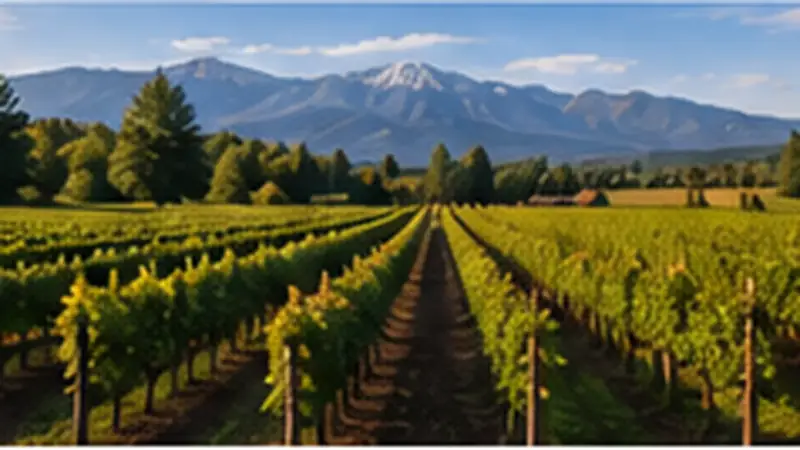
Seasonality is part of the experience
Farm experiences, markets, produce and outdoor spaces change throughout the year. Some visits are much stronger in one season than another, so this guide should help travellers understand timing rather than promise every experience year-round.
When a particular farm or tasting room matters, use the business's own current information before travelling.
Plan transportation before tasting
A designated driver should be decided before the first stop. Taxi, rideshare or pre-arranged transportation can also be considered depending on the group and route.
The city guide should explain those choices neutrally rather than treating a wine page as a disguised limousine advertisement.
Pair the countryside with one other theme
A rural day can work well with Fort Langley, a scenic park or a relaxed meal. Avoid combining it with a long list of distant shopping and family attractions on the same schedule.
Keeping the itinerary coherent makes the countryside feel like the destination rather than a series of addresses.
Transportation resources for tasting itineraries
If nobody in the group will remain alcohol-free, arrange transportation before the first tasting. For a locally focused option, Langley Limo provides pre-arranged transportation information. Larger groups comparing chauffeur-driven vehicles can also review My Limo Ride. The purpose of these references is to help visitors plan responsibly, not to turn the countryside guide into a service directory.
Think beyond wineries when building a countryside route
Langley’s countryside can combine wineries with farm stores, seasonal produce, markets and agritourism. Tourism Langley promotes the Circle Farm Tour as a self-guided way to explore local farms and makers, which is useful when the group includes people who are not primarily interested in wine. A mixed route can also make the day more comfortable because it creates natural breaks between tastings.
Choose a small number of stops and verify hours before leaving. Rural travel takes longer than the map can suggest once parking, browsing, tasting and seasonal traffic are included.
Arrange the driver before a tasting route begins
If everyone in the group plans to taste, transportation should be decided before the first stop. A designated driver is the simplest option. Groups wanting a pre-arranged vehicle can compare Langley-based limousine transportation or review private wine-tour transportation planning. Keep the number of winery and farm stops realistic so the day still has time for meals, browsing and safe travel between rural properties.
Build a tasting route, not a checklist
Choose a small number of public-facing wineries, farms, cideries or markets in the same part of Langley and confirm their current visitor policies. Opening days, tasting formats, food service and reservation requirements can change seasonally. A route with fewer stops usually leaves more time to understand each producer and the agricultural landscape around it.
If alcohol is part of the day, choose the driver or transportation arrangement before the first tasting. Visitors who do not want to drive can compare taxis, rideshare availability and pre-arranged Fraser Valley wine-tour transportation. The transportation choice should fit the route, not determine how many tastings are added.
Farm experiences change with the season
Berry picking, pumpkins, flowers, farm markets and harvest events do not operate on one fixed annual schedule. Tourism Langley’s seasonal information is useful for discovering what may be active, but the farm itself should be the final source for opening dates, sold-out conditions, admission and weather-related changes.