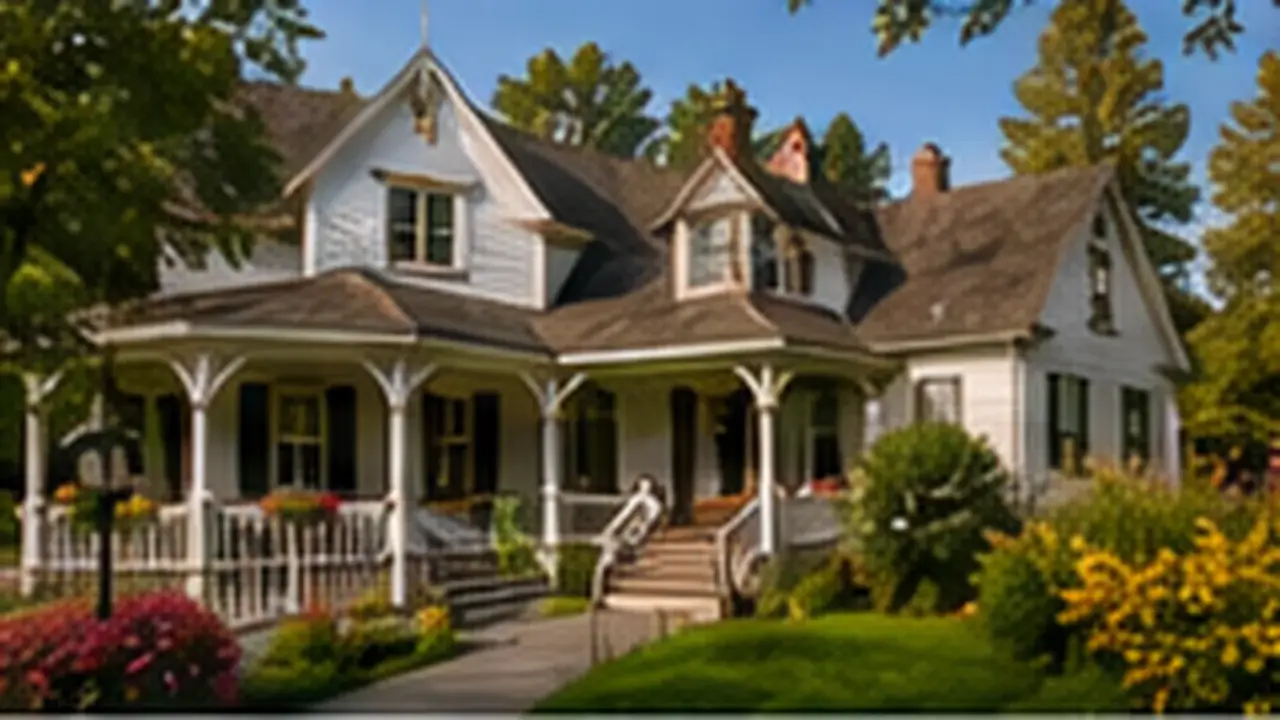
Fort Langley National Historic Site is the main heritage anchor
Parks Canada identifies Fort Langley as an 1827 Hudson’s Bay Company fur-trading post on the Fraser River and offers interpretive experiences, historic buildings, gardens and family activities. It is the obvious first choice for visitors who want one substantial history stop.
The surrounding village makes the visit easier to extend because food, shops, riverfront walking and other heritage points can be added without crossing the municipality.
Local history works best when the sites are grouped
Fort Langley-area heritage can include the national historic site, the BC Farm Museum and other local-history stops. Instead of treating each as a separate destination, combine them into one geographic story about settlement, agriculture, transportation and the Fraser River.
This approach creates a stronger visitor experience and reduces unnecessary driving.
Aviation gives Langley a different museum experience
The Canadian Museum of Flight gives aviation enthusiasts and families an indoor-oriented attraction that is very different from Fort Langley. It can work especially well in poor weather or when the group wants mechanical, military or transportation history rather than a village heritage day.
Current hours, admission and program information should be confirmed directly with the museum before travelling.
Museums are useful rainy-day anchors
History and museum visits become particularly valuable when rain changes an outdoor plan. One museum plus lunch and a nearby walk or shopping area can create a complete day without requiring a long list of backup attractions.
For families, choose the museum based on the child’s interests and attention span rather than assuming every historical attraction works equally well for every age.
Langley’s history is bigger than one attraction
Fort Langley National Historic Site is the obvious starting point for many visitors, but the broader story includes Indigenous history, settlement, agriculture, transportation, community museums and historic landscapes. A useful heritage day connects the place being visited with the landscape around it rather than treating history as a collection of unrelated exhibits.
Use Parks Canada, local museums and municipal heritage resources for current interpretation, opening hours and special programming. Indigenous history should be approached through credible Indigenous and institutional sources rather than simplified second-hand summaries.
Plan a heritage day with enough time to read
Museums are easy to underestimate when building an itinerary. If history is the main reason for visiting, schedule fewer stops and leave room for exhibits, staff interpretation and walking between sites. Fort Langley’s village setting makes this particularly easy because food, shops and riverfront scenery can fill the rest of the day without a long drive.